
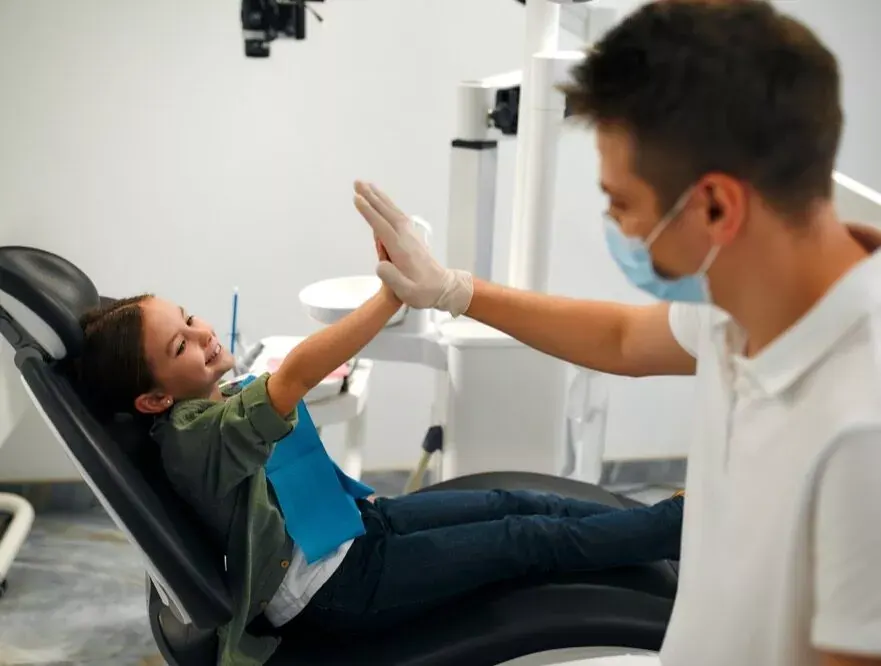
A child's smile is one of the most precious gifts, and we care for it with the attention it deserves.
Children have unique dental needs and their first experience at the dentist can shape their relationship with oral health for life. Our team handles the dental concerns of childhood, from the first tooth to the permanent teeth, and guides children and parents on hygiene, nutrition and healthy habits.
Common pediatric treatments
Because a dental clinic can feel intimidating to little ones, we have created a friendly, welcoming environment where every child feels safe.
Prophylaxis and cleanings
Regular cleanings remove tartar and plaque, preventing decay and gum disease.
Fluoride application
Fluoride strengthens enamel, making it more resistant to acid and reducing the risk of decay.
Sealants
A protective coating placed on the chewing surfaces of permanent back teeth to prevent decay.
Treatment of decay
This may include fillings, crowns or pulp treatments such as pulpectomies in affected baby teeth.
Interceptive orthodontics
Corrects bite or alignment problems early, often with removable or fixed appliances.
Space maintainers
If a baby tooth is lost early, a space maintainer keeps neighbouring teeth from shifting and blocking the permanent tooth.
Dental injuries
Children are prone to accidents; treating fractured, displaced or knocked-out teeth is common in pediatric dentistry.
Oral hygiene education
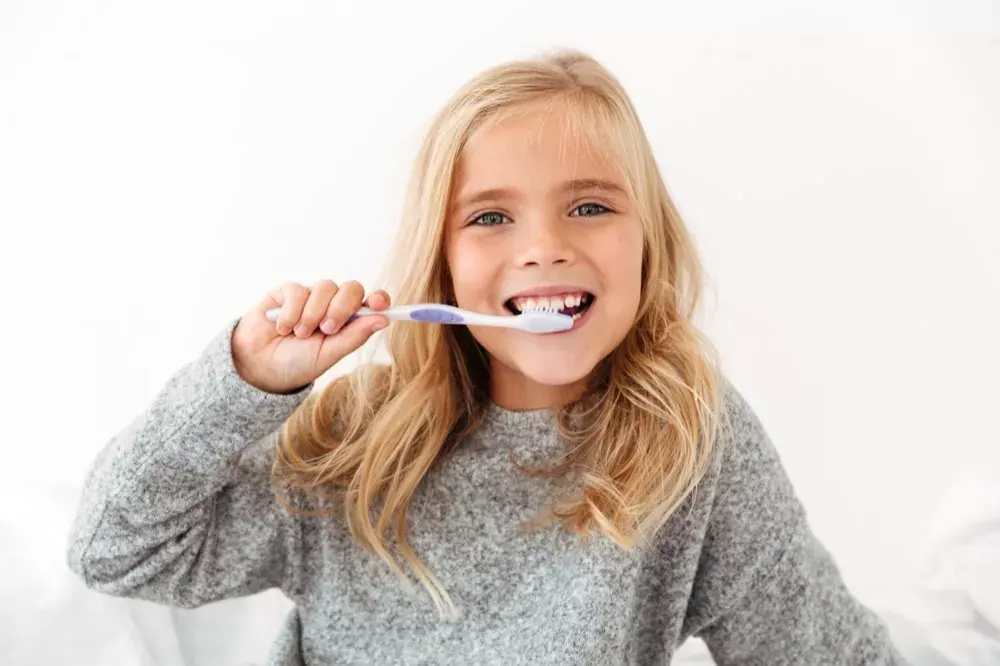
We teach children proper brushing and flossing and advise on healthy eating habits.
What does a child's check-up include?
A conversation with the family about habits and history, an examination of every tooth and of the gums, an assessment of the bite and of growth, a clean if needed, and hygiene advice adapted to the child's age, including brushing and diet.
If we find something to treat, we usually schedule it for another short appointment so that the child does not get tired. The first visit is mainly for the child to get to know the clinic and feel at ease.
Do cavities in baby teeth need treating?
Yes. A cavity in a baby tooth can hurt, become infected and affect the permanent tooth forming underneath. Baby teeth also hold the space for the permanent ones: losing them too early can disorder their eruption and complicate the bite.
They also matter for chewing, speech and the child's wellbeing. Treatment depends on how much the tooth is affected and on the child's age, and we explain it before starting. To prevent cavities, MedlinePlus (the US National Library of Medicine) recommends cleaning a baby's teeth from birth with a soft cloth or a baby toothbrush, not putting the child to bed with a bottle, and starting a small amount of fluoride toothpaste at the age of two, or earlier if the dentist advises it.
What should I do if my child knocks out or breaks a tooth?
Call us as soon as possible. If a permanent tooth has come out, pick it up by the crown without touching the root, do not rub it, and bring it in milk or saline; time is decisive for being able to put it back. Baby teeth that come out are not replanted, but the area should be checked.
If the blow has left a tooth broken, loose or bleeding, or the child is in pain, come for a check-up even if the tooth looks fine: sometimes the damage shows up days later.
Who will treat you

Dr. Carlos Julián Díaz Sánchez
Orthodontics and Dentofacial Orthopaedics
Registration no. 28011252
Frequently asked questions about pediatric dentistry
At what age should my child first see a pediatric dentist?
The first visit is recommended when the first tooth appears or, at the latest, when the child turns one. An early visit lets us check how the teeth are coming through, answer questions about dummies, bottles or brushing, and get the child used to the clinic before there is any problem. After that, the paediatric dentist tells you how often to come back.
How can I prepare my child for their first visit?
Talk to your child about what to expect and reinforce the idea that it is a positive experience. Avoid frightening words such as 'pain' or 'jab', and do not use the visit as a threat. Reading stories or watching videos about visits to the dentist can also help familiarise your child with the process. On the day, try to make sure they have rested and eaten, and arrive a little early so they can explore the clinic without rushing.
What if my child is afraid of the dentist?
It is essential to convey calm and reassurance, and not to force. Our team is used to working with anxious children, and we have created an environment designed to make little ones feel at ease. At a first visit it may be enough for the child to sit in the chair, look at the instruments and get to know the equipment. We move at the child's pace and explain each step in simple language before doing it.
How often should my child see the pediatric dentist?
As with adults, a check-up every six months is recommended, although the paediatric dentist may suggest more frequent visits if there are specific needs, such as a high risk of cavities, braces or a recent knock. Regular check-ups let us catch small cavities while they are still easy to treat and follow the growth of the bite. MedlinePlus also advises scheduling regular dental visits and limiting snacks and sugary drinks.
Sources and further reading
General patient information from public bodies and scientific societies. Your own case is always assessed at a consultation.
- Salud dental del niño — MedlinePlus (Biblioteca Nacional de Medicina de EE. UU.) (in Spanish)